Your gynaecological health, explained
Discharge that changes, itching that won’t settle, pain that’s hard to describe. Intimate health concerns are common, and nothing to be embarrassed about. This guide covers your anatomy, the most common vaginal imbalances, your pelvic floor, and when to get help.
The vulva or the vagina
The words are often used as if they mean the same thing, but they describe different parts of the body. Knowing which is which makes it easier to describe your symptoms, and to be understood when you do.
The vulva
Everything on the outside: the outer and inner lips (labia majora and labia minora), the clitoris, the opening to the urethra, where urine comes out, and the vaginal opening. Itching, soreness or skin changes here are vulval symptoms.

The vagina
The muscular canal that runs from the vulva to the cervix, at the neck of the womb. It sits between the bladder at the front and the rectum at the back, supported by the pelvic floor muscles. Changes in discharge or odour usually start here.

The vaginal microbiome
The vagina has its own community of bacteria. When it’s in balance, it’s usually dominated by lactobacilli, which make lactic acid and keep the vagina acidic, at a pH of around 3.7–4.5.¹ When that balance shifts, the three most common results are bacterial vaginosis, thrush and aerobic vaginitis.

Bacterial vaginosis (BV)
What it is. A very common imbalance. Lactobacilli fall, bacteria such as Gardnerella take over, and the vagina becomes less acidic.
Signs. A thin grey or white discharge and a fishy smell, often stronger after sex. Half of women with BV have no symptoms.
Common triggers. Sex and new partners, douching and perfumed products, smoking, a copper coil and antibiotics.
Our vaginal microbiome test: We measure 23 strains of anaerobic microbes commonly associated with BV.

Thrush
What it is. A yeast infection. Around 3 in 4 women have it at least once.⁵
Signs. A thick white discharge, like cottage cheese, with itching and soreness. It doesn’t usually smell.
Common triggers. Antibiotics, higher oestrogen (pregnancy, some contraception, HRT), high blood sugar or diabetes, and a weakened immune system.
Our vaginal microbiome test: We measure 6 strains of yeast associated with thrush.

Aerobic vaginitis
What it is. Less well known than BV, and different. Aerobic bacteria, many of them from the gut, such as E. coli and Group B strep, take over, and the vagina becomes inflamed.⁸
Signs. A yellow or greenish discharge, an unpleasant smell, soreness or burning, and pain during sex.
Common triggers. Low oestrogen (after the menopause or giving birth, or an early or treatment-induced menopause), low lactobacilli and antibiotics.
Our vaginal microbiome test: We measure 7 strains of aerobic microbes commonly associated with AV.

When symptoms keep coming back
BV, thrush and AV can look alike, and it’s common to be treated for the wrong one. If treatment hasn’t worked, or symptoms keep coming back, this is where a vaginal microbiome screening test can add something symptoms alone can’t. It shows which bacteria and yeasts are actually present, and in what proportion, including low lactobacilli and the organisms behind each of the three. That gives you and your clinician something specific to work from, rather than treating the same thing again and hoping.

Dr. Jo Bailey explains
Listen to Consultant Gynaecologist, Dr. Jo Bailey explain Thrush.

Your pelvic floor
Your pelvic floor is a sling of muscles and ligaments that supports your bladder, womb and bowel, and helps with mobility, stability, continence (bladder and bowel), sexual function and orgasm.
Pregnancy, birth, the menopause, constipation, age and heavy lifting can all weaken it.
Not every problem is weakness, though. Some women have muscles that are too tight and can’t relax, which can cause pain.
A specialist pelvic health physiotherapist can assess which it is. UK guidance recommends at least three months of supervised pelvic floor muscle training as the first treatment for stress or mixed urinary incontinence.⁹
Signs to mention to your GP:
- Leaking when you cough, sneeze or exercise
- Sudden, urgent needs to pass urine
- A heavy or dragging feeling in the vagina
- Pain during sex or when using tampons

Pelvic pain
Long-term pelvic pain affects around 1 in 6 women.¹⁰ It has many possible causes, and often more than one at once, including endometriosis and adenomyosis; vulvodynia, persistent vulval pain without an obvious cause; vaginismus, where the vaginal muscles tighten involuntarily; painful sex; and an overactive pelvic floor.
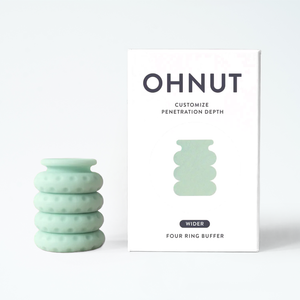
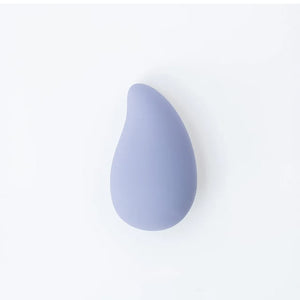
Pain is real even when tests come back clear. The best care often brings together a gynaecologist, a pelvic health physiotherapist and sometimes a pain team. Therapeutic tools such as dilators, the Kaito Sky vibrator for gentle external massage and the Ohnut buffer ring are often part of that plan.
Endometriosis and adenomyosis
Endometriosis
What it is. Tissue similar to the lining of the womb grows elsewhere, most often around the pelvis, causing inflammation, pain and sometimes scarring. It affects around 1 in 10 women, yet diagnosis in the UK takes an average of 8 years and 10 months.¹¹
Signs. Period pain that affects your daily life, ongoing pelvic pain, deep pain during or after sex, painful bowel movements or pain passing urine around your period, and difficulty getting pregnant.¹²
Adenomyosis
What it is. Tissue that normally lines the womb grows into the muscle wall of the womb itself.¹³
Signs. Heavy or painful periods, pelvic pain and pain during sex. Some women have no symptoms.¹³
Finding help
Period pain that stops you living your life isn’t something you should have to put up with.
If this sounds familiar, keep a diary of your symptoms and when they happen in your cycle, and take it to your GP. It makes it easier to be heard, and to ask about a referral to gynaecology.
Read women health physiotherapist Kate Cameron's piece on endometriosis and a whole body approach to managing the condition.
Other conditions
Vulval lichen sclerosus (LS)
A long-term skin condition that most often affects the genital area. The most common symptom of vulval LS is intense itching or soreness around the vulva.
Other symptoms you may feel are painful sex, pain or soreness, burning, irritation, feeling of dryness, change in sensation, pain when you pee or poo, disturbed stream when you pee and white, thin or fragile skin. Visible signs you might notice white or pale patches of skin, crinkly or thickened skin, swelling, small cracks (fissures) in the skin, bleeding or bruising, areas of your vulva fusing together.
LS needs diagnosing and management by a doctor. The Lichen Sclerosus guide is a free resource built by a team of people with vulval lichen sclerosus (LS), doctors and researchers.
Genitourinary syndrome of menopause
Up to 70% of women experience vaginal or urinary symptoms after menopause as a result of hormonal changes that effect the intimate tissues.
Some of the most common complaints of women going through the menopause are vaginal and bladder symptoms, such as dryness, irritation, discharge, pain during sex, increased urgency to urinate and general discomfort.
The vaginal and urinary microbiomes change after menopause, with fewer healthy bacteria and a more mixed population that includes bacteria capable of causing infection and meaning women are at great risk of recurrent urinary tract infection.
Sexually transmitted infections
Sexually Transmitted Infections (STIs) are common and can be passed on during sex or through sexual contact. More than 30 different bacteria, viruses and parasites are known to be transmitted through sexual contact.
Some STIs have no symptoms others can result in one or more symptoms in women including unusual discharge from the vagina, or anus, painful urination, lumps or skin growths around the genitals or anus, a rash, unusual vaginal bleeding, itchy genitals or anus, blisters, sores or warts around the genitals or anus
If an STI is suspected, its best to get tested at a sexual health clinic.
Brook is a well-established national sexual health charity recommended by the NHS where you can find more information.
Gynae toolkit







REFERENCES: 1. Amabebe E, Anumba DOC. The vaginal microenvironment: the physiologic role of lactobacilli. Frontiers in Medicine 2018;5:181. 2. British Association for Sexual Health and HIV. UK National Guideline for the Management of Bacterial Vaginosis. BASHH, 2012. 3. National Institute for Health and Care Excellence. Bacterial vaginosis. NICE Clinical Knowledge Summary, 2023. 4. Bradshaw CS, Sobel JD. Current treatment of bacterial vaginosis, limitations and need for innovation. Journal of Infectious Diseases 2016;214(S1):S14-20. 5. British Association for Sexual Health and HIV. UK National Guideline on the Management of Vulvovaginal Candidiasis. BASHH, 2019. 6. National Institute for Health and Care Excellence. Candida, female genital. NICE Clinical Knowledge Summary, 2022. 7. Sobel JD. Recurrent vulvovaginal candidiasis. American Journal of Obstetrics and Gynecology 2016;214(1):15-21. 8. Donders GGG, Vereecken A, Bosmans E, Dekeersmaecker A, Salembier G, Spitz B. Definition of a type of abnormal vaginal flora that is distinct from bacterial vaginosis: aerobic vaginitis. BJOG 2002;109(1):34-43. 9. National Institute for Health and Care Excellence. Urinary incontinence and pelvic organ prolapse in women: management. NICE guideline NG123, 2019. 10. Royal College of Obstetricians and Gynaecologists. The Initial Management of Chronic Pelvic Pain. Green-top Guideline No. 41. RCOG, 2012. 11. Endometriosis UK. Dismissed, ignored and belittled: the long road to endometriosis diagnosis in the UK. Endometriosis UK, March 2024. 12. National Institute for Health and Care Excellence. Endometriosis: diagnosis and management. NICE guideline NG73, 2017 (updated 2024). 13. NHS. Adenomyosis. NHS website, 2023. 14. Angelou K, Grigoriadis T, Diakosavvas M, Zacharakis D, Athanasiou S. The genitourinary syndrome of menopause: an overview of the recent data. Faculty Reviews 2021;10:25. 15. British Menopause Society. Urogenital atrophy. BMS consensus statement, 2024. 16. World Health Organization. Sexually transmitted infections (STIs). WHO fact sheet, 2024. 17. British Association of Dermatologists. Lichen sclerosus. BAD patient information leaflet, 2023.